
Lauriane Brémond (1)
DOI : 10.63000/G7lbV126rPN34
Abstract
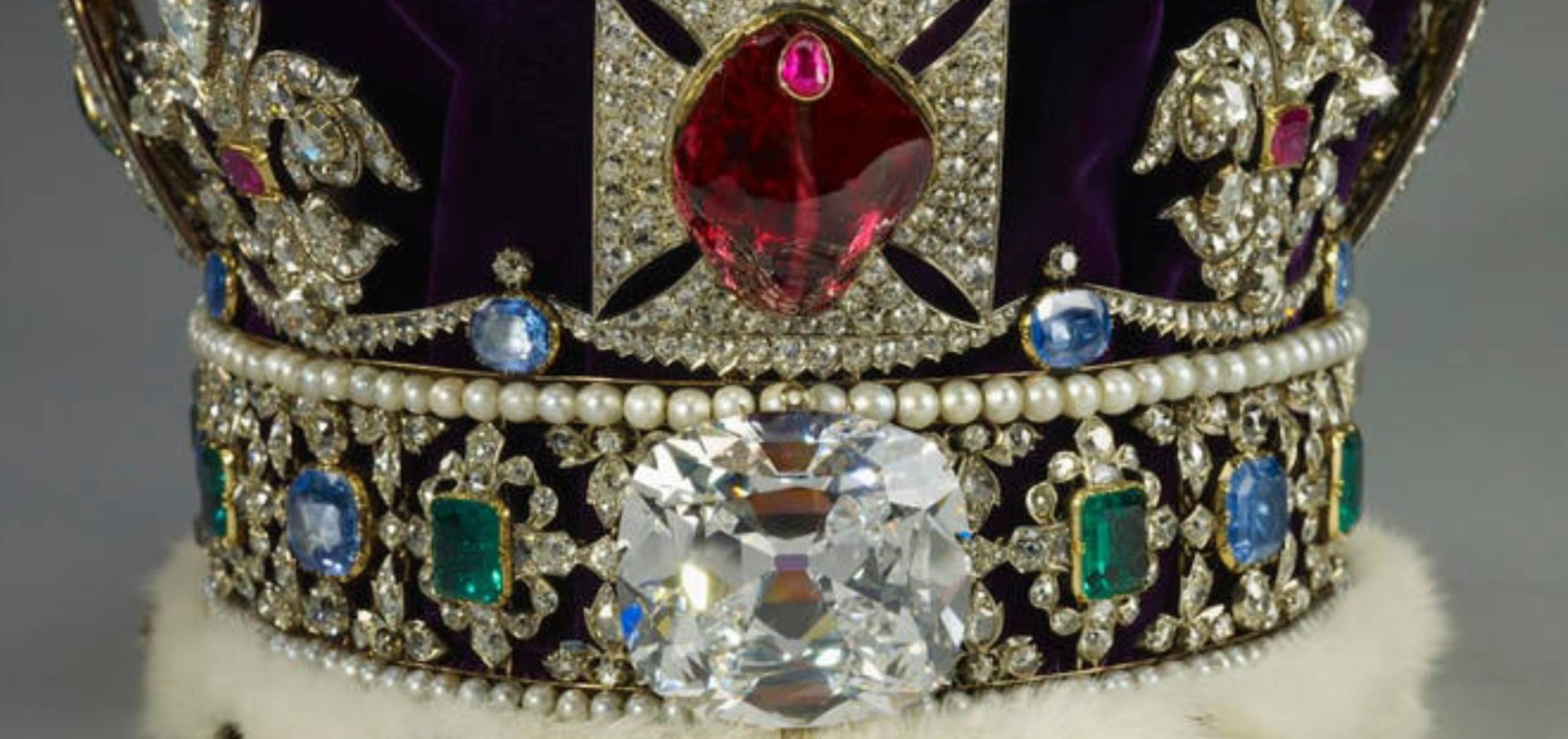
THE « BLACK PRINCE’ RUBY » : A STUDY IN RED. The “Black Prince’s Ruby” is one of those historic gemstones which appeal to us, thanks to their own shine, but also to the many stories surrounding them. It is now well established that this so-called “ruby” is in fact a spinel, as many other red stones that can be found in European royal treasures. Yet the stories associated with the gemstone (the mere fact that it once belonged to the Black Prince or that it saved Henry V’s head and life during the Battle of Agincourt) are still very much alive, despite the recent studies of Claude Blair (1998) and Jack Ogden (2020). Much sooner, in 1960, a British diplomat, the Honorable Lord Edward Twining, had already decided to look at the Crown Jewels of the United Kingdom through the lenses of History. He wrote A History of the Crown Jewels of Europe, an imposing piece of work. In this book, he attempted to answer the following questions: did the “ruby” really belong to the Black Prince? If it did so, how did the Prince acquire it? Where did the gemstone come from? Did it really “participate” to the Battle of Agincourt? Finally, why have the British monarchs adorned their brow with a red gemstone? This article presents Lord Twining’s quasi-genealogical enquiry through State and Treasury Papers, as the author aimed at (re)telling the story of the famous spinel.
Résumé
Le « rubis du Prince Noir » fait partie de ces gemmes qui brillent autant par les histoires qui les entourent que par leur lustre véritable. S’il est désormais communément admis que ce « rubis » est en fait un spinelle (comme nombre de pierres rouges disséminées dans les trésors royaux), les légendes qui lui sont associées, de son appartenance au » Prince Noir » à sa présence salvatrice au front d’Henri V d’Angleterre lors de la bataille d’Azincourt, sont encore vivaces, malgré les récents travaux de Claude Blair (1998) ou de Jack Ogden (2020). Pourtant, dès 1960, un diplomate anglais, l’Honorable Lord Edward Twining, décide de passer au crible de l’Histoire les différentes pièces composant le trésor de la Couronne britannique, dans son imposant volume A History of the Crown Jewels of Europe. Lord Twining s’emploie alors à répondre aux questions subséquentes : ce « rubis » appartenait-il bien audit Prince Noir ? Si oui, comment était-il entré en sa possession ? D’où venait cette gemme ? Avait-elle bien « participé » à la bataille d’Azincourt ? Enfin, pourquoi est-il de tradition, pour les souverains britanniques, de s’orner le front d’une pierre rouge ? Cet article se propose de suivre Lord Twining dans une enquête presque généalogique à travers les archives britanniques, dans l’espoir de retracer le parcours de ce spinelle d’exception.
>>> Pour lire l’article et télécharger le pdf
1 bremond.lauriane@gmail.com